
E-guide
Guide: Designa och underhålla en servicekatalog i praktiken
Den här guiden hjälper er att bygga och förvalta en servicekatalog som är användarvänlig, affärsrelevant och hållbar över tid.

Den här guiden hjälper er att bygga och förvalta en servicekatalog som är användarvänlig, affärsrelevant och hållbar över tid.

Kontinuerlig förbättring — eller Continual Improvement — handlar om att regelbundet utvärdera och utveckla processer, tjänster och arbetssätt för att höja kvalitet, effektivitet och kundvärde. Genom att arbeta strukturerat med förbättringar blir ni bättre rustade för förändring, snabbare på att lära och växer stabilt över tid.

De flesta organisationer har många leverantörer – men få har full kontroll. Information ligger utspridd i Excelark, mejltrådar och mappar. Det gör det svårt att följa upp SLA:er, identifiera risker eller agera snabbt när något händer.
I den här guiden går vi igenom hur du kan skapa en strukturerad och automatiserad leverantörshantering – och få styrning istället för bara administration.

More and more organizations want to combine the power of IT Service Management (ITSM) with the speed and flexibility of DevOps and Agile. The challenge? These worlds sometimes have completely different approaches, languages and goals. The result can be duplication of effort, lack of traceability and missed opportunities to deliver value quickly.
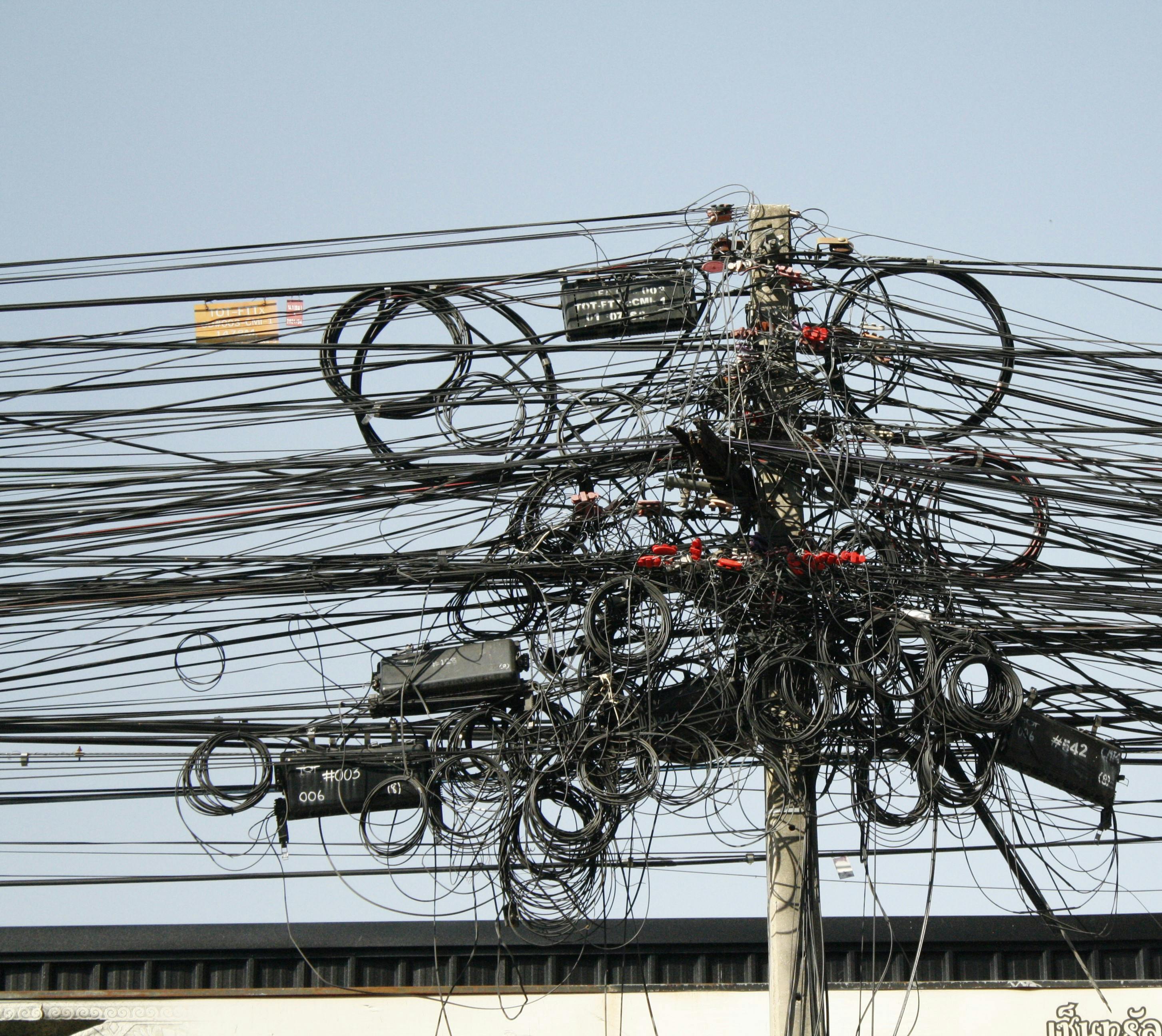
Many organizations struggle to manage internal matters via email, Teams conversations, post-it notes or verbal agreements. This leads to duplication of effort, missed tasks, long response times and no overview.

IT risk management is the process of identifying, assessing and managing risks that may affect an organization's information systems, availability, data or business continuity.
With a clear risk management process, you can ensure security, comply with legal requirements and reduce the consequences of incidents. This guide will help you establish a structured approach to IT risk management, step by step.

Suggestions for improvement are an important part of business development.
By taking advantage of employees' ideas and observations, you can continuously improve your processes, services and ways of working.
A structured process makes it easier to collect, evaluate and implement improvements - and also strengthens the commitment of the organization.

Managing workplace non-conformities is a key part of systematic work environment management (SAM).
By capturing and following up on deviations - such as incidents, accidents and deficiencies - you can prevent injuries, improve the work environment and create a safer and more engaged organization.

Employment management is about giving new employees a good start, managing changes during their employment and ensuring a safe and structured exit.
With clear processes for onboarding, offboarding and changeboarding, you can create a positive employee experience, reduce administrative risks and strengthen information security.
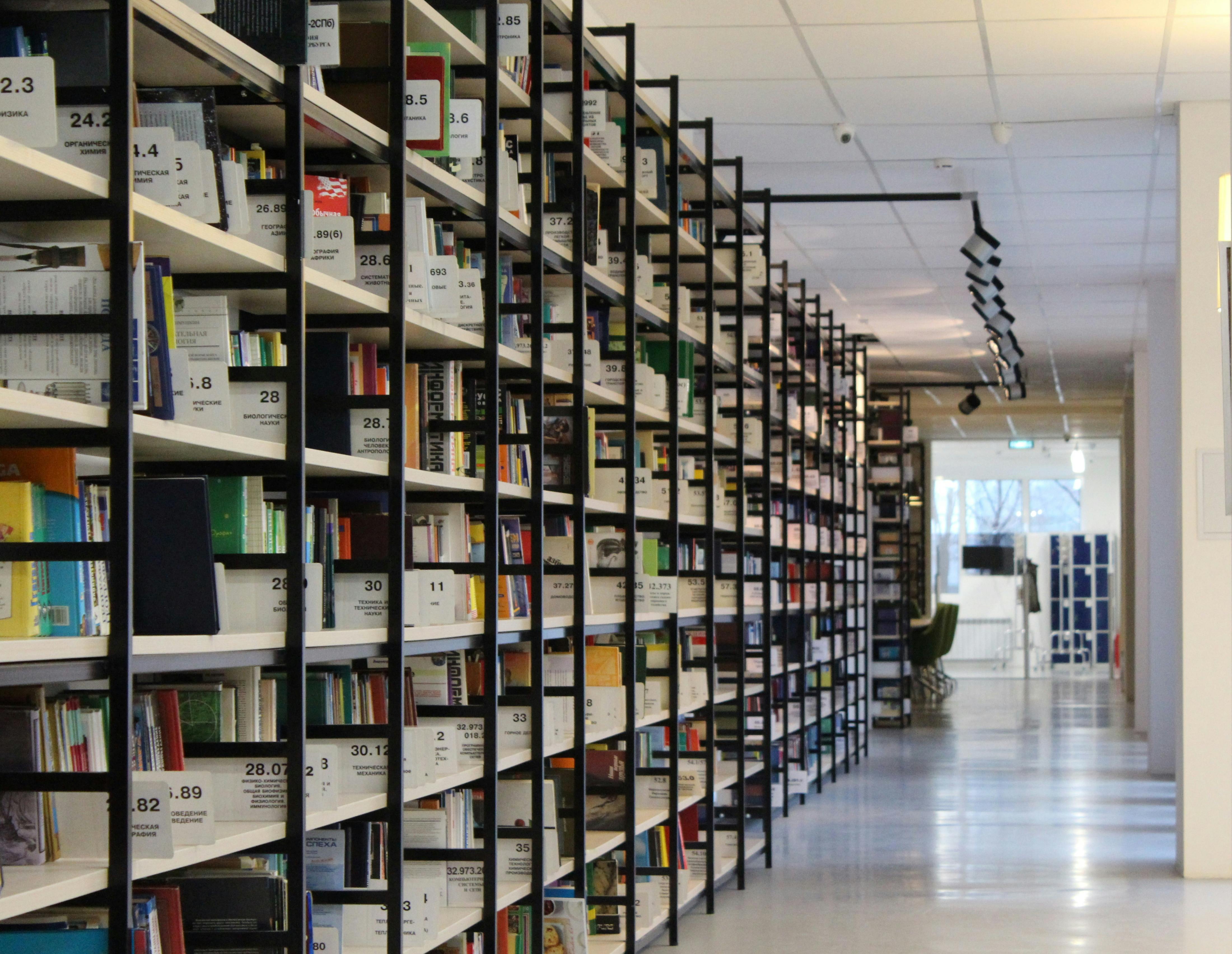
Asset management is about having structure and control over all your organization's assets - not just IT. These can range from real estate, vehicles, machinery and production equipment to licenses, intellectual property and subscriptions. With a common approach, you can create clarity, avoid unnecessary costs and make better decisions - whatever the asset type.